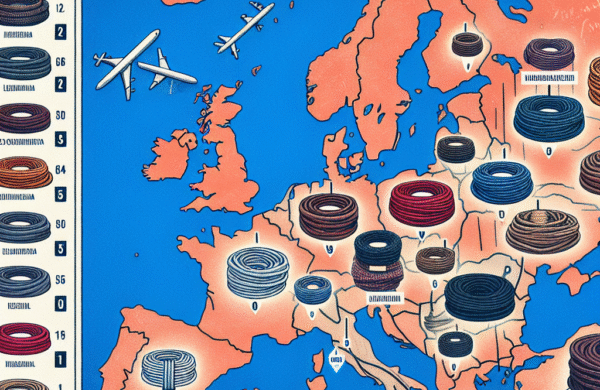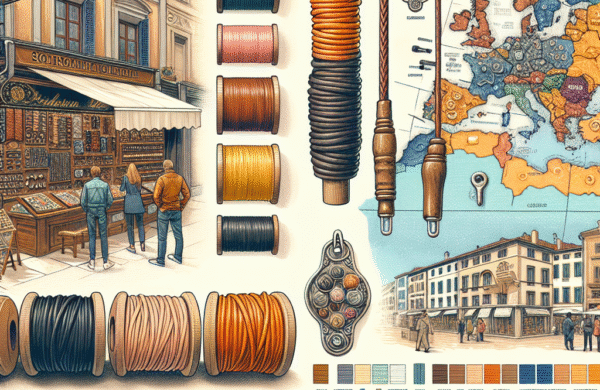
Leather cord for jewelry has become an essential material in modern jewelry making, especially for artisans, designers, and DIY enthusiasts across France. Known for its natural elegance, durability, and versatility, leather cord allows creators to design bracelets, necklaces, anklets, and pendants that suit both contemporary and traditional styles.
In the French jewelry market, where craftsmanship and material quality are highly valued, leather cords for jewelry in France are widely used in handmade, boutique, and semi-luxury collections. This guide explains everything you need to know about leather cord for jewelry, from types and uses to buying tips and care instructions, with a strong focus on commercial and DIY relevance.

Understanding Leather Cord for Jewelry
Leather cord for jewelry refers to natural or treated leather strips shaped into round, flat, or braided cords. These cords are designed specifically for jewelry making and are compatible with clasps, beads, charms, and metal findings.
Leather cords are preferred because they combine flexibility with strength. Unlike synthetic alternatives, leather provides a premium look and tactile feel, making it ideal for high-quality handmade jewelry.
Therefore, for designers in France who focus on artisanal value and long-lasting materials, leather cord is a practical and aesthetic choice.
Types of Leather Cords for Jewelry
Selecting the correct type of leather cord for jewelry is critical for both design and durability.
1. Round Leather Cord
Round leather cords for jewelry are widely used in minimalist and modern designs. They are ideal for:
-
Beaded necklaces
-
Charm bracelets
-
Unisex jewelry
Common diameters range from 1 mm to 4 mm, depending on the design requirement.
2. Flat Leather Cord
Flat leather cords for jewelry are popular in statement pieces and layered designs. They are frequently used in:
-
Wrap bracelets
-
Chokers
-
Cuff-style jewelry
Furthermore, flat cords provide a broader surface, making them suitable for engraving or decorative stitching.
3. Braided Leather Cord
Braided leather cords for jewelry offer texture and visual depth. These cords are often used in premium or bohemian-style jewelry and appeal strongly to the French handmade jewelry market.
4. Genuine vs. Synthetic Leather Cord
Genuine leather cords for jewelry are durable, breathable, and develop a natural patina over time. Synthetic alternatives may cost less but lack the authenticity and longevity preferred in high-quality jewelry making.
Why Leather Cords for Jewelry Are Popular in France
France has a strong culture of craftsmanship, fashion, and handmade goods. Leather cord for jewelry aligns perfectly with these values.
Key reasons for popularity include:
-
Natural and eco-conscious appeal
-
Compatibility with gold, silver, and stainless steel findings
-
Suitability for both luxury and DIY jewelry
-
Timeless aesthetic that matches French fashion trends
Whether used by independent artisans in Paris or DIY creators in regional markets, leather cords for Jewelry support creativity without compromising quality.
Commercial and DIY Uses of Leather Cord for Jewelry
Leather cord for jewelry is highly versatile and fits both commercial production and DIY projects.
Commercial Jewelry Applications
-
Handmade designer collections
-
Boutique jewelry brands
-
Custom men’s and women’s accessories
-
Spiritual and symbolic jewelry
In commercial settings, consistent thickness and finish of leather cords for jewelry are essential for branding and customer satisfaction.
DIY Jewelry Making
For DIY creators, leather cord for jewelry is easy to work with and beginner-friendly. It can be cut, knotted, glued, or crimped without specialized tools.
Popular DIY projects include:
-
Adjustable bracelets
-
Pendant necklaces
-
Multi-layer chokers
-
Personalized gift jewelry
Therefore, leather cords for jewelry are ideal for hobbyists and small-scale sellers alike.
How to Choose the Right Leather Cord for Jewelry
When selecting leather cord for jewelry, several factors should be considered:
-
Thickness: Match cord diameter to beads and clasps
-
Finish: Matte, polished, or waxed leather
-
Flexibility: Softer cords are better for knots and wraps
-
Color stability: High-quality leather cords for jewelry resist fading
Furthermore, sourcing leather cord from reliable suppliers ensures consistency, which is especially important for commercial jewelry production in France.
Care and Maintenance of Leather Cord Jewelry
Proper care extends the life of jewelry made with leather cords.
Recommended care practices:
-
Avoid prolonged exposure to water
-
Store in a dry, cool place
-
Clean gently with a soft, dry cloth
-
Do not use harsh chemicals
Whether the jewelry is handmade for personal use or sold commercially, maintaining leather cord quality preserves its appearance and strength.
Sustainability and Ethical Considerations
In the French market, sustainability plays a growing role in purchasing decisions. Many buyers prefer leather cords for jewelry sourced from ethical tanneries or made from by-products of the food industry.
Therefore, choosing responsibly sourced leather cord for jewelry can enhance brand trust and align with eco-conscious values.
Trends in Leather Cord Jewelry Making
Current jewelry trends in France highlight:
-
Minimalist leather cord necklaces
-
Mixed-material designs combining leather and metal
-
Earth-tone and natural color palettes
-
Unisex leather cord jewelry
Leather cords for jewelry remain relevant because they adapt easily to changing fashion preferences.
In Conclusion
Leather cord for jewelry is a fundamental material for both professional jewelry makers and DIY enthusiasts in France. Its natural elegance, durability, and versatility make it suitable for a wide range of designs, from minimalist accessories to premium handcrafted collections.
Therefore, whether you are creating jewelry for commercial sale or personal projects, selecting high-quality leather cords for jewelry ensures lasting value, aesthetic appeal, and customer satisfaction. Wrapping up, leather cord continues to be a trusted and relevant choice in the evolving world of jewelry making.